
Director of Secondary School Education:
Tamás Beke-Somfai Head of the “Momentum” Biomolecular Self-Assembly Research Group at the HUN-REN Research Centre for Natural Sciences
Training coordinator: Lili Újhelyi kozepiskolai.kepzesi.iroda@edu-sci.org
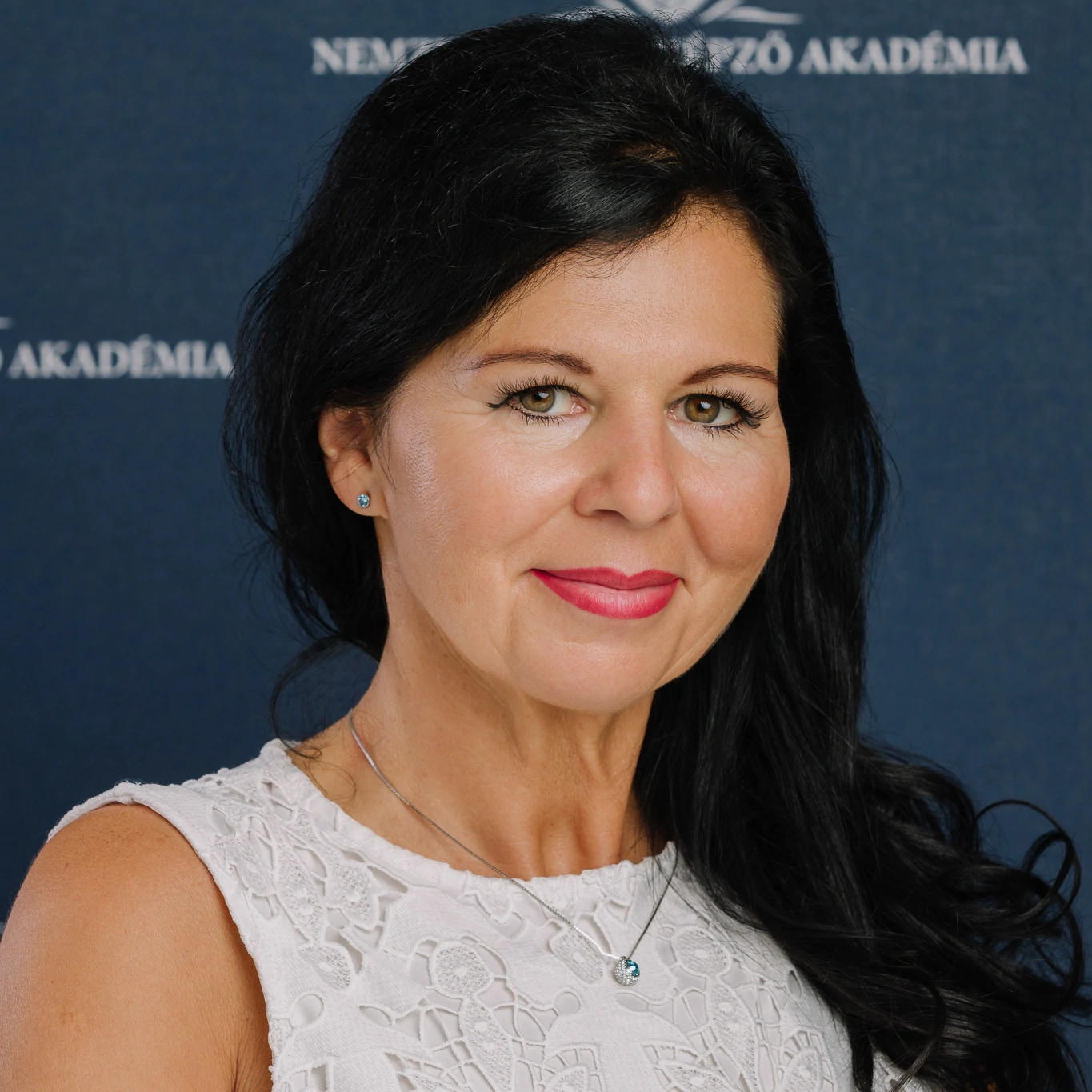
Scientific Supervisor of the National Academy of Scientist Education (Biology):
Adrien Lengyel master teacher of biology and chemistry at the Calvinist Secondary School in Kecskemét

Scientific Supervisor of the National Academy of Scientist Education (Chemistry):
Bence Balterer Research Assistant at the NMR Research Laboratory, Institute of Structural Chemistry, HUN-REN Research Centre for Natural Sciences
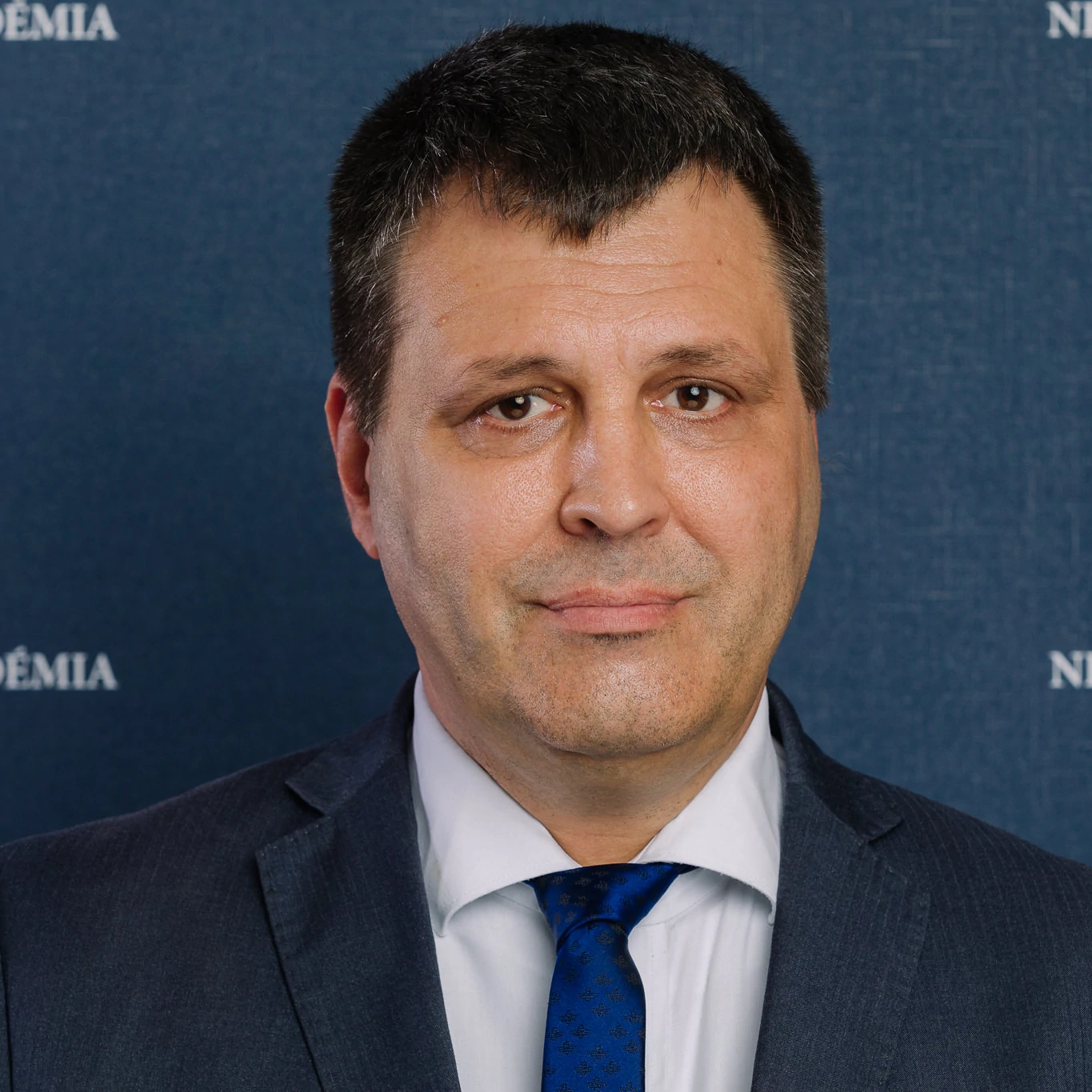
Pedagogical expert:
Sándor Bán master teacher of biology at the Radnóti Miklós Experimental Grammar School in Szeged

Head of the National Education Centres:
Zsolt Nyiszor master Teacher of biology and chemistry at the Nagy Lajos Grammar School for the Cistercian Order
Head of the Regional Training Centres:
Róbert Kertész master teacher of biology and chemistry at the Táncsics Mihály Secondary Grammar School in Kaposvár
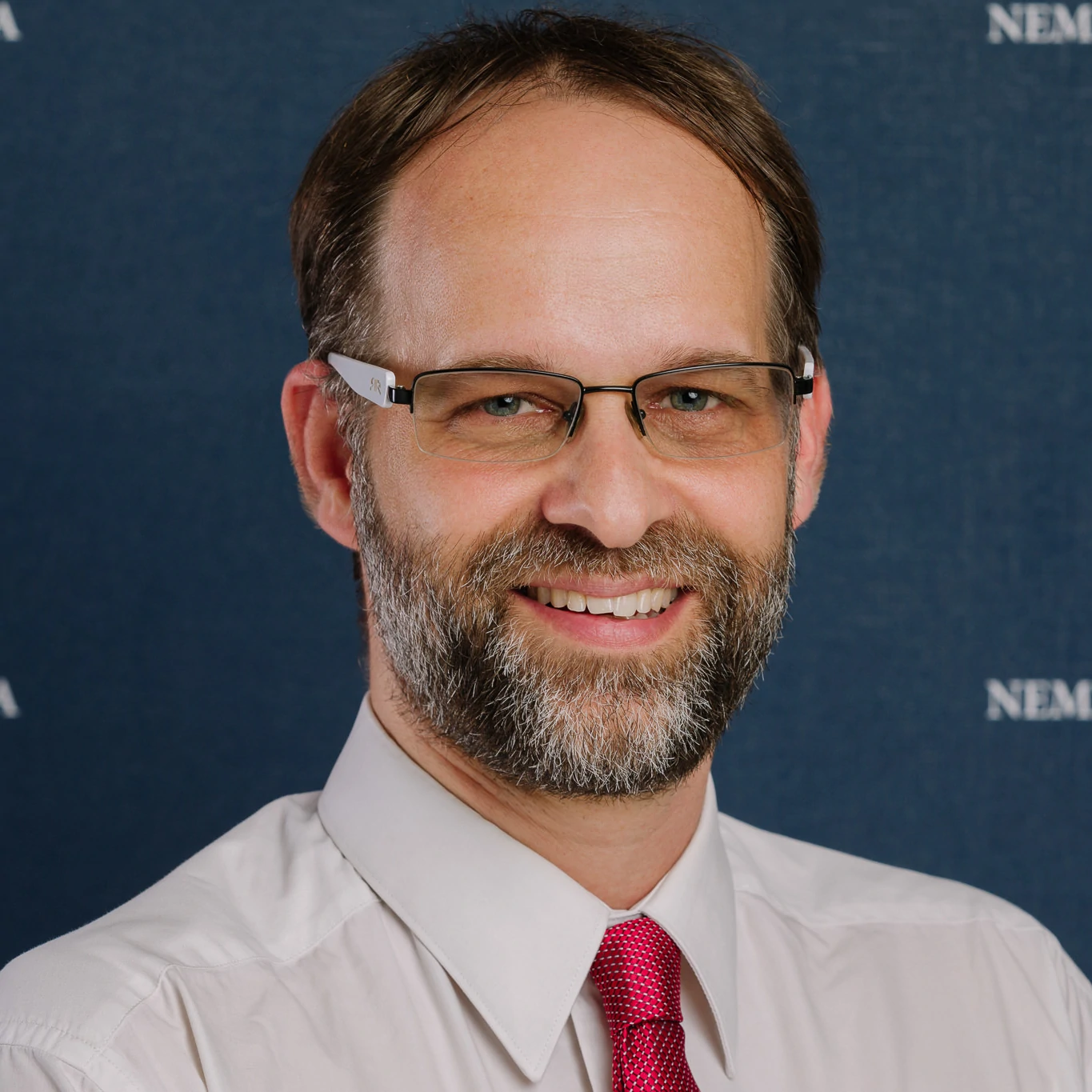
Head of University relations:
Rakonczay Zoltán Professor and head of the Institute of Pathophysiology at the Albert Szent-Györgyi Medical School of the University of Szeged

Secondary school-hospital coordinator:
Krisztián Sebők
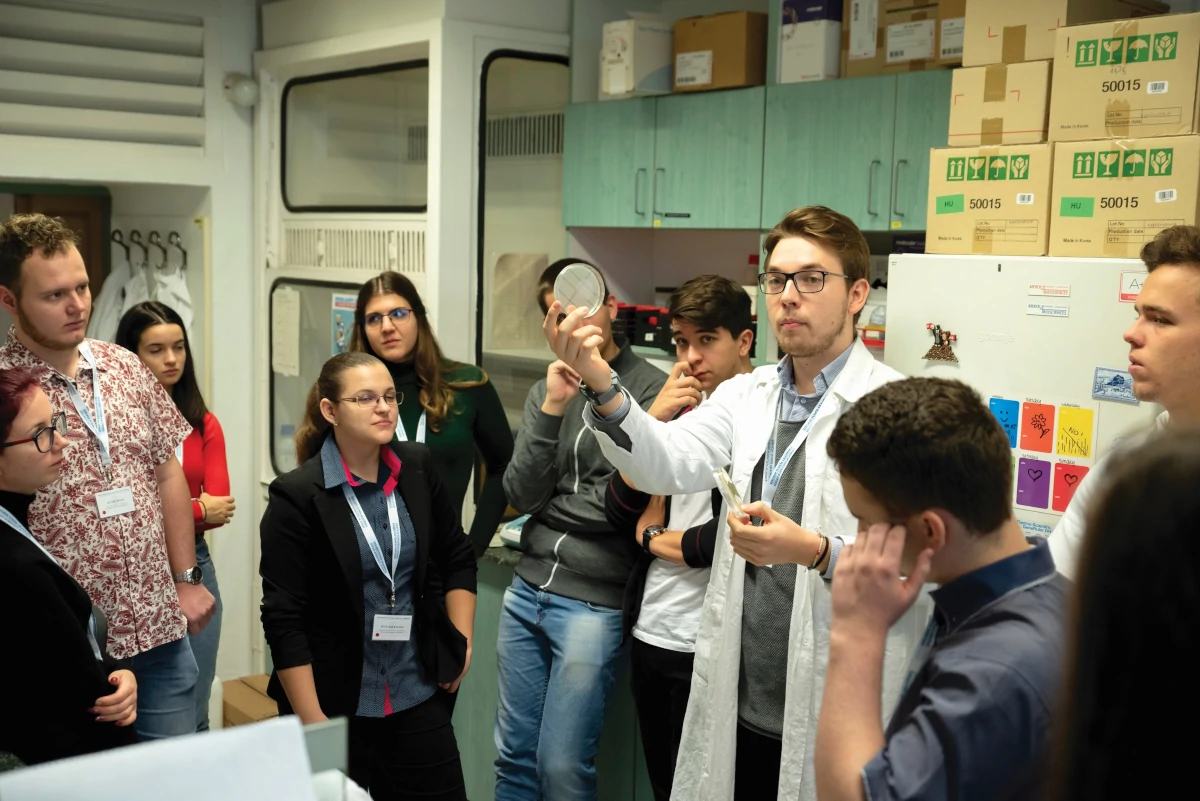
Laboratory demonstration led by a Szent-Györgyi Student at the Biological Research Centre, Szeged
SECONDARY SCHOOL EDUCATION PROGRAM (SSEP)
The first component of the training program of the National Academy of Scientist Education (NTA) focuses on secondary school pupils. The professional foundation of the Secondary School Education Program is built on the long-standing Hungarian traditions of talent development in biology and chemistry education, as well as on successful international models.
The program, which has been successfully operating for many years with a primary focus on biology, was renewed in the spring of 2026. As part of this renewal, a unified, high-quality training system has also been established in the field of chemistry.
This unique initiative in Hungarian talent development combines the expertise and developmental experience of secondary school educators with the academic knowledge of university faculty members. This collaboration enables the introduction of an innovative educational model in which modern, research-based biological and chemical knowledge is delivered through the most effective pedagogical methods. As a result, hundreds of motivated pupils gain insight into the processes of cutting-edge biomedical and chemical research, with opportunities to actively engage in them.
The training structure includes individual knowledge acquisition, group lectures and related discussions, participation in conferences, and laboratory practices conducted at multiple locations. From 2026 onwards, these activities have been expanded to include chemical laboratories and chemistry-focused research practices.
The program also incorporates important evaluation stages, as continuous reflection is essential for sustainability. Participants’ feedback and experiences are collected after each event and program activity. Based on this feedback, the training program—covering both biology and chemistry—is reviewed annually, and necessary adjustments are implemented to ensure its effectiveness.
.webp)
Laboratory work at the TERMOSZ Laboratory (Radnóti Miklós Experimental Grammar School in Szeged)
CURRENT OPPORTUNITES FOR TALENTED SECONDARY SCHOOL PUPILS
Hungary’s education system has a rich history of particularly effective talent management traditions in the fields of mathematics and natural sciences. In addition to the, now commonplace, achievements of Nobel Laureates, this is supported by the fact that talented Hungarian secondary school pupils regularly achieve resounding success in these subjects. The medals won at the International Student Olympiad and the successes in Natural Science and Technical Innovation Competitions all support the effectiveness of these traditions. In the last 8-10 years, it has also become clear that our most successful students are welcomed with open arms by the world’s leading institutions of higher education. At the same time, it is also an unfortunate experience that only a small percentage of students who go abroad at this age return to their homeland, so, practically speaking, other countries benefit from the secondary school education of these pupils.
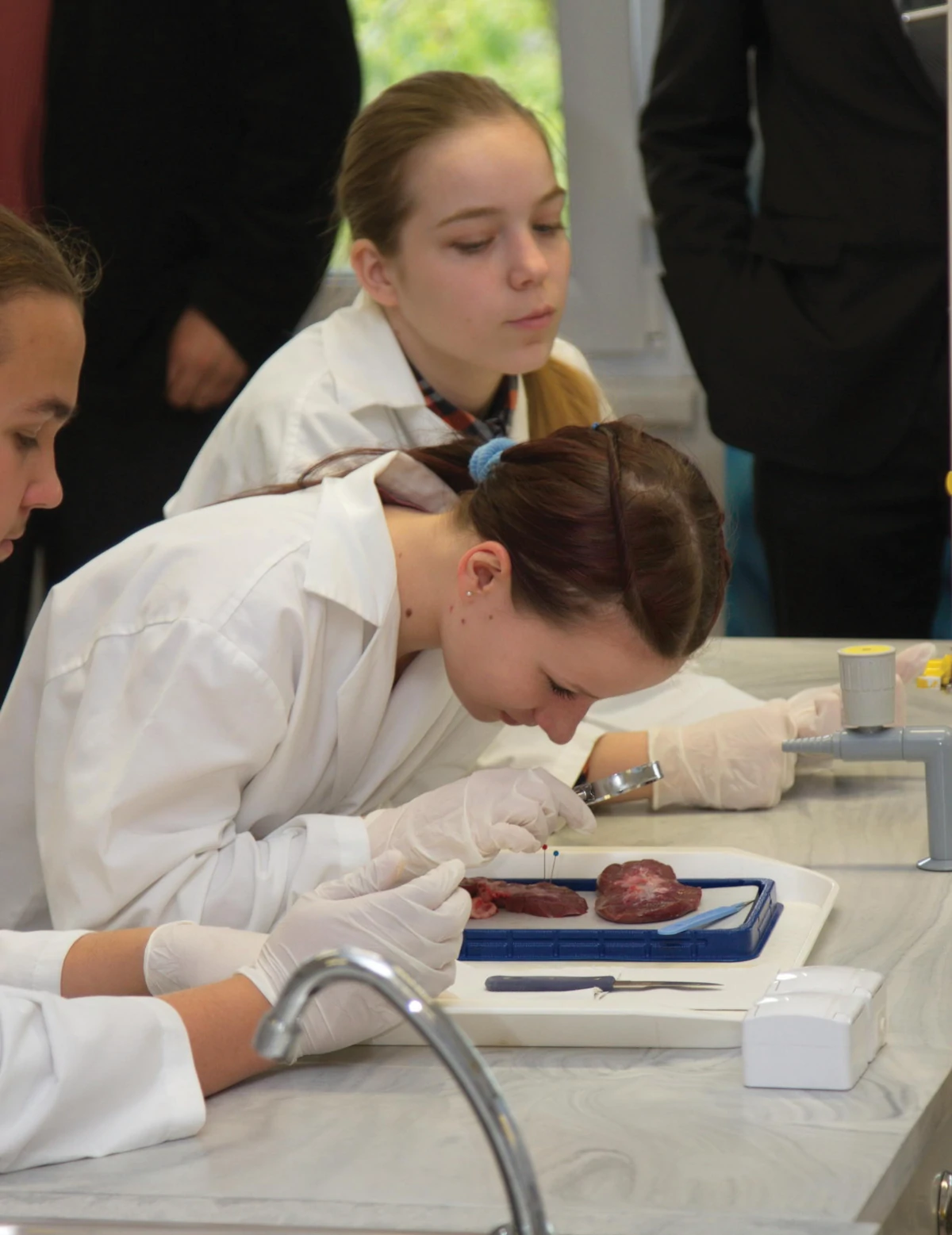
Laboratory experiments
OBJECTIVES OF THE SECONDARY SCHOOL EDUCATION PROGRAM IN BIOLOGY AND CHEMISTRY
In defining the program’s objectives, it is essential to consider not only the factors outlined above but also the perspectives of secondary school educators and research group leaders. Based on these needs, the following clear set of objectives has been established:
-
To provide an effective alternative to pursuing studies abroad
-
To offer efficient and targeted support for secondary school biology and chemistry education through innovative methodologies and modern equipment
-
To foster community building and social responsibility
-
To strengthen collaboration among teachers involved in talent development, with particular emphasis on educators in biology and chemistry, and to promote professional cooperation and knowledge sharing
 az SZTE Gyakorló Gimnáziumban.webp)
Eric F. Wieschaus (Nobel Laureate in Medicine, 1995) at the University of Szeged Teacher Training Secondary and Primary School
ACTIVITIES OF THE SECONDARY SCHOOL EDUCATION PROGRAM IN BIOLOGY AND CHEMISTRY
The activities of the program in both disciplines have been designed to fully support the achievement of its objectives. In order to develop scientific thinking and promote a research-based approach to biology and chemistry, the program includes both individual and group-based theoretical learning, while also placing strong emphasis on the development of practical skills.
Some activities can be carried out remotely, while others take place at regional or national centres. The common goal of all activities is to provide valuable knowledge that is not, or only partially, accessible within the framework of standard public education, using the most modern pedagogical methods. The knowledge acquired significantly contributes to pupils’ future success in research.
-
Online learning modules
-
Laboratory practices
-
Group development programs at regional partner schools
-
Participation in the “Meeting of Nobel Laureates and Talented Students” conferences
-
Opportunity to earn additional points for university admission
NTA Diploma and Its Levels
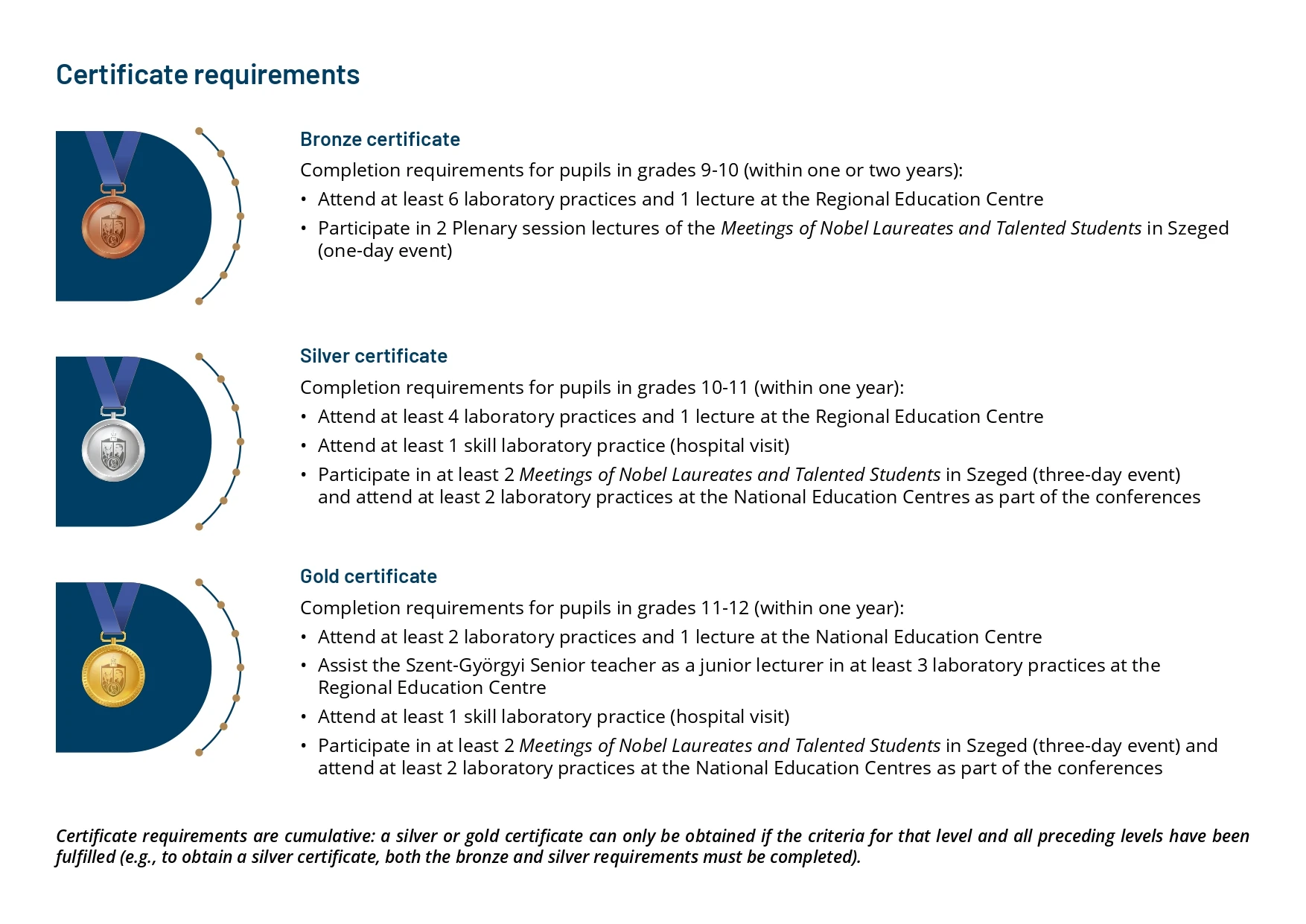
The progress of Szent-Györgyi Pupils participating in the biology and chemistry programs is continuously monitored and recognised. At the end of each successfully completed academic year, pupils are awarded, in a ceremonial setting, a Gold, Silver, or Bronze diploma from the National Academy of Scientist Education. These diplomas can be used to claim additional points in the university admission process.
The attainment of each diploma level is linked to the fulfilment of a structured, progressive set of requirements, thus reflecting genuine professional development and sustained commitment.
Additional Points for University Admission
Upon successful completion of any certification level, pupils may earn up to 25 additional points in the university admission process at certain Hungarian universities, providing a significant competitive advantage in higher education applications. These additional points are officially recognised within the Hungarian higher education admission system (FELVI).
The range of institutions awarding additional points for NTA diplomas is continuously expanding, primarily within the fields of natural sciences, including biology, chemistry, physics, environmental science, and related disciplines. The number of participating universities, as well as the number of additional points awarded for each diploma level, may vary by institution and program.
Detailed and up-to-date information on participating institutions, accepted programs, and exact point values is available on the official FELVI platform.